
Have you ever stood in front of your closet thinking you have nothing to wear while staring at piles of clothes you don’t even like anymore? That small identity crisis might just be fueling the fashion industry’s biggest makeover yet—this time, it’s digital. Fashion apps are turning sustainability into a lifestyle flex, blending tech, style, and eco-awareness into a scrollable revolution that’s changing how we shop, swap, and show off what we wear.
From Fast Fashion to Smart Fashion
The fast-fashion era made it easy to snag a new outfit for every night out—but at the cost of overflowing landfills and empty wallets. Now, a new kind of trendsetter is emerging: one who knows their carbon footprint as well as their color palette. Fashion apps like Depop, Poshmark, and Vinted have made secondhand shopping as addictive as online dating—complete with swiping, matching, and falling in love with a “pre-loved” piece that feels brand new.
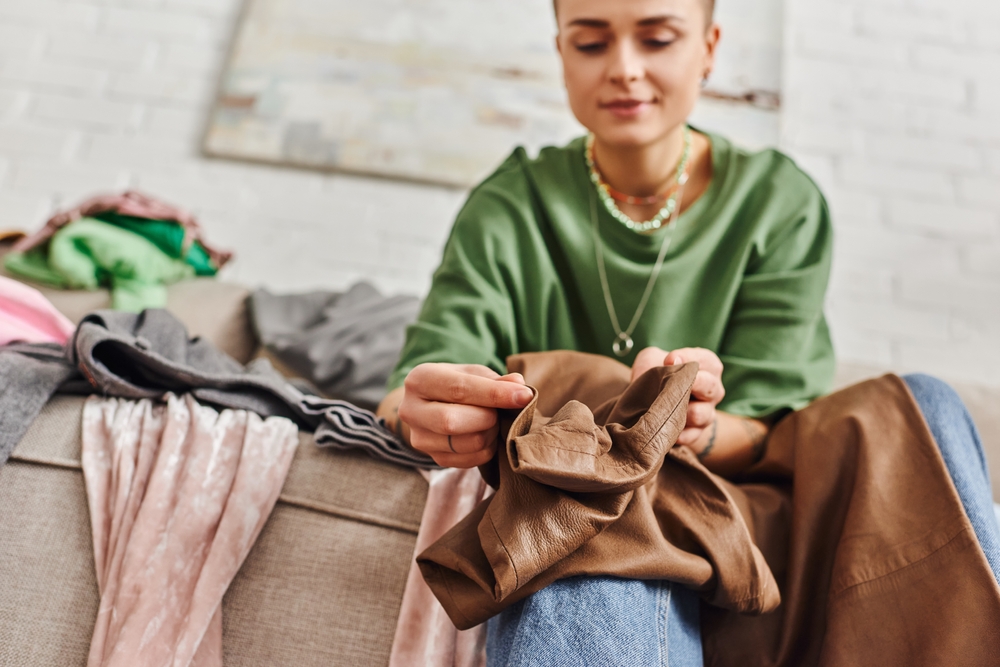
But it doesn’t stop at resale. Digital fashion tools now help users organize wardrobes, track wear counts, and even style outfits from what they already own. It’s like having a personal stylist, sustainability coach, and thrift shop all living inside your phone.
How Digital Wardrobes Are Changing the Game
The concept of a “digital closet” goes beyond cute outfit grids and color coordination. It’s reshaping how people think about fashion ownership. With these apps, your closet isn’t just physical—it’s data-driven.
- Outfit planning apps like Smart Closet and Whering let users upload clothing photos, categorize items, and track how often they wear them, encouraging smarter outfit rotations.
- Virtual fitting tools and AR features let shoppers “try on” clothes digitally, reducing returns and waste from ill-fitting online purchases.
- Subscription platforms like Rent the Runway and Nuuly make high-end fashion more accessible and reduce single-use clothing waste.
These tools not only make it easier to curate a style that feels authentic, but they also reframe sustainability as something fun and creative instead of guilt-driven.
When Sustainability Becomes a Flex
For millennials and Gen Z, sustainability has become more than a moral choice—it’s an aesthetic. Showing off thrift finds and vintage gems is a badge of honor, and apps that enable that are thriving. Depop sellers have built entire careers reselling clothes, with influencers turning eco-conscious fashion into digital art forms.
The beauty of it all? The conversation around sustainability has shifted from sacrifice to self-expression. Wearing secondhand or digital-first outfits isn’t about deprivation—it’s about distinction. You’re not just dressing differently; you’re thinking differently.
And thanks to platforms that gamify sustainability—like tracking your carbon savings or visualizing how many gallons of water your choices saved—it’s suddenly cool to care.
The Rise of Digital-Only Fashion
Here’s where things get even more meta. Some fashion apps are ditching physical garments altogether and selling purely digital looks. Platforms like DressX and Replicant let users buy “clothes” that exist only in pixels, designed to be worn virtually on photos or avatars.
Digital fashion might sound futuristic, but it’s already a growing market. It reduces waste, eliminates production costs, and allows endless creativity without the environmental toll. Imagine trying on a neon trench coat made of holographic feathers without ever leaving your couch—or your conscience.
It’s fashion as expression, not consumption—and for digital natives, that concept hits differently.
Why This Trend Isn’t Just a Phase
Sure, sustainability has been trending for years, but the tech-meets-fashion mashup gives it staying power. Digital closets tap into what makes modern consumers tick: personalization, convenience, and a touch of performative cool.
More importantly, they’re meeting people where they already are—on their phones. The result is a cultural shift where the act of getting dressed is both a creative outlet and a climate-conscious choice.
- It redefines “newness.” You can feel refreshed without buying more.
- It democratizes access to style and sustainability for people who can’t afford designer “eco” brands.
- It taps into nostalgia and individuality, two emotions that drive modern digital culture.
The more people engage with these platforms, the more data they generate to make the fashion industry smarter—from predicting trends to identifying sustainable production methods. What started as a social movement is now quietly influencing big brands to rethink their supply chains.
The Future of Fashion Might Be in Your Pocket
The next frontier could be hybrid platforms that blend digital fashion with real-world sustainability goals. Imagine earning rewards for recycling clothes or offsetting carbon footprints through app challenges. The tech that once fueled overconsumption is being re-engineered to encourage mindful choices—and that’s something worth celebrating.
The digital closet isn’t just a novelty—it’s the new normal. As people continue to curate their wardrobes with the same care they curate their feeds, fashion’s future will look less about “what’s next” and more about “what lasts.”
Style That Outlasts the Swipe
Sustainability used to mean cutting back, but now it’s about leveling up. By merging style with software, the fashion world is proving that being mindful doesn’t have to mean being minimalist. Whether it’s reselling your old favorites, renting your next event look, or going full-on digital with your wardrobe, fashion’s green evolution has officially gone viral—and for once, that’s a trend worth wearing out.