
When was the last time you tried to book an in-person therapy session without waiting weeks, rearranging your life, or sitting in a sterile office that smells like hand sanitizer and faint regret? Virtual mental health support isn’t just a pandemic-era bandage—it’s a full-blown evolution of how we take care of our minds. If you’ve ever rolled your eyes at the idea of “Zoom therapy,” it might be time for a perspective refresh.
The New Normal for Mental Health
The idea that mental health care must happen in person is starting to feel as outdated as fax machines and dial-up tones. Virtual therapy—through apps, video calls, or even text-based messaging—has moved from “alternative” to “mainstream.” What started as a workaround has become the go-to for people juggling side hustles, social lives, and the occasional existential crisis between meetings.
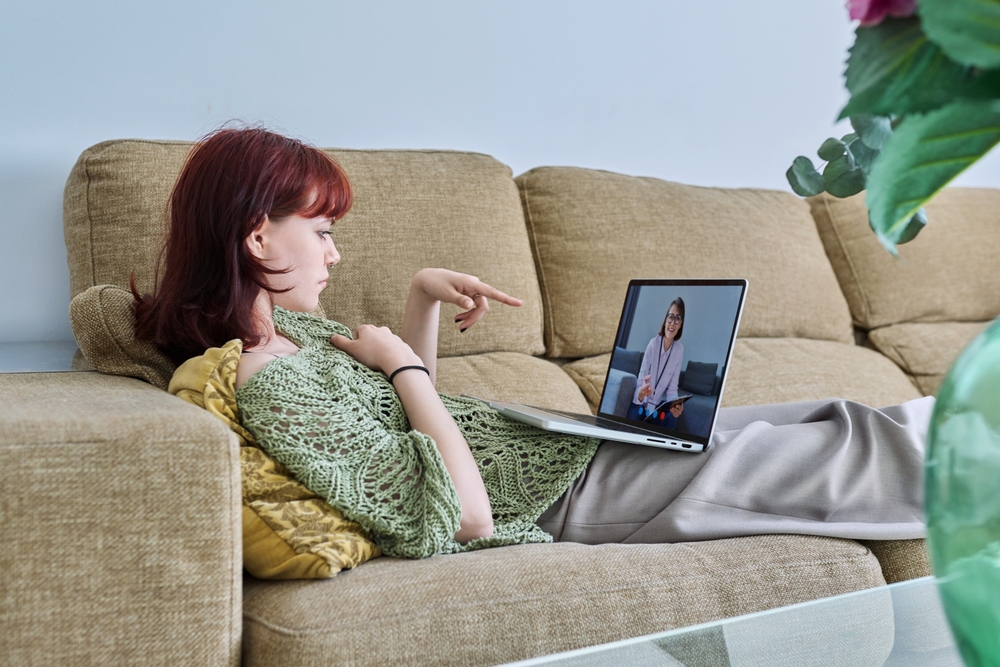
It’s not about replacing traditional therapy; it’s about meeting people where they are. For a generation that already FaceTimes friends, collaborates on Slack, and orders groceries via app, logging in to talk about your anxiety feels pretty natural. The accessibility and flexibility of virtual mental health care are redefining what emotional support looks like in real time.
Why Virtual Therapy Actually Works
The biggest misconception about online therapy is that it’s somehow “less real.” But research says otherwise—studies show virtual sessions can be just as effective as face-to-face ones for issues like depression, anxiety, and trauma. Turns out, the magic isn’t in the therapist’s office; it’s in the connection.
Here’s why the format actually enhances the process.
- Convenience kills excuses. You can talk to a therapist from your bed, car, or the park—basically anywhere with Wi-Fi. The friction is gone, and that means people are more likely to stick with it.
- Comfort encourages honesty. When you’re in your own space, it’s easier to open up. You’re not sitting stiffly in a chair worrying about eye contact or your posture.
- Tech expands options. You can choose from a wide range of therapists and specialties, not just whoever happens to have an office in your ZIP code.
- Continuous care. Many platforms let you message your therapist between sessions, so support feels ongoing instead of appointment-based.
Virtual therapy breaks down traditional barriers—cost, location, time, even social anxiety. It’s mental health that fits into modern life instead of demanding you fit your life around it.
The Apps and Platforms Changing the Game
There’s no shortage of digital mental health tools now, from full-service therapy platforms to micro-support apps designed for quick check-ins. Whether you’re deep-diving into cognitive behavioral therapy or just need to vent about your boss’s passive-aggressive emails, there’s an option that fits.
- Talkspace and BetterHelp connect users with licensed therapists for ongoing sessions.
- Wysa and Woebot use AI-powered chat to help users manage emotions and practice mindfulness on the go.
- Headspace and Calm, while not therapy per se, serve as supplemental mental wellness tools with guided meditation and stress relief programs.
The beauty of this tech stack is how customizable it is. You can mix and match according to your needs—think of it as your mental health playlist.
Breaking the Stigma (Digitally)
One underrated perk of virtual therapy is how it normalizes the conversation around mental health. The privacy of online platforms means people who might feel hesitant about therapy can try it without fear of being seen walking into a clinic. For some, it’s the difference between getting help and avoiding it altogether.
And because virtual therapy often encourages text-based interaction or asynchronous communication, it helps people process emotions at their own pace. You’re not under pressure to say the “right” thing in real time. That kind of psychological safety can make therapy feel more approachable—and more human.
The Catch (Because There’s Always One)
Of course, digital therapy isn’t perfect. Some people crave the energy of in-person connection. Technical issues can interrupt emotional breakthroughs. And not every therapist is equally skilled at building rapport through a screen. The key is finding what format fits your personality and mental health goals best.
If you tend to overthink before speaking, messaging therapy might help. If you need eye contact and accountability, live video sessions might feel more personal. Think of it like dating apps—finding your therapeutic match might take a few swipes.
How to Make Virtual Therapy Work for You
Getting the most out of virtual support takes a bit of intentionality. Treat it like a real appointment, not a background tab.
- Choose a private, comfortable spot where you won’t be interrupted.
- Test your tech before each session to avoid distractions.
- Keep a journal or notes between sessions to track progress.
- Stay consistent. Momentum matters just as much online as it does in person.
And remember: therapy isn’t just about crisis management. It’s about maintenance—keeping your emotional engine tuned so you don’t stall out when life throws a curveball.
Logging Off with Less Guilt
Virtual therapy has quietly dismantled the old rules of mental health care, swapping clinical couches for connection on demand. It’s flexible, scalable, and surprisingly intimate—because healing doesn’t depend on location; it depends on intention.
If you’ve been waiting for a sign to give online support a chance, this is it. Mental health has officially entered the digital age, and maybe that’s exactly where it belongs.