
Ever wish you could optimize your brain, body, and energy levels without giving up your snacks, screens, or social life? Biohacking sounds like something reserved for Silicon Valley sleep deniers and gym-obsessed life coaches, but it doesn’t have to be that deep. In fact, the best hacks are the ones that work quietly in the background while you’re watching Love Is Blind and waiting for your DoorDash. Welcome to lazy biohacking—where the gains come with minimal grind.
The Myth of “Extreme Optimization”
Biohacking gets a bad rap because it’s often associated with people who drink butter coffee while standing in infrared saunas. But at its core, biohacking just means making small, intentional changes to feel and function better. You don’t need to track your REM cycles or microdose your way to enlightenment. You just need tweaks that don’t disrupt your actual life.
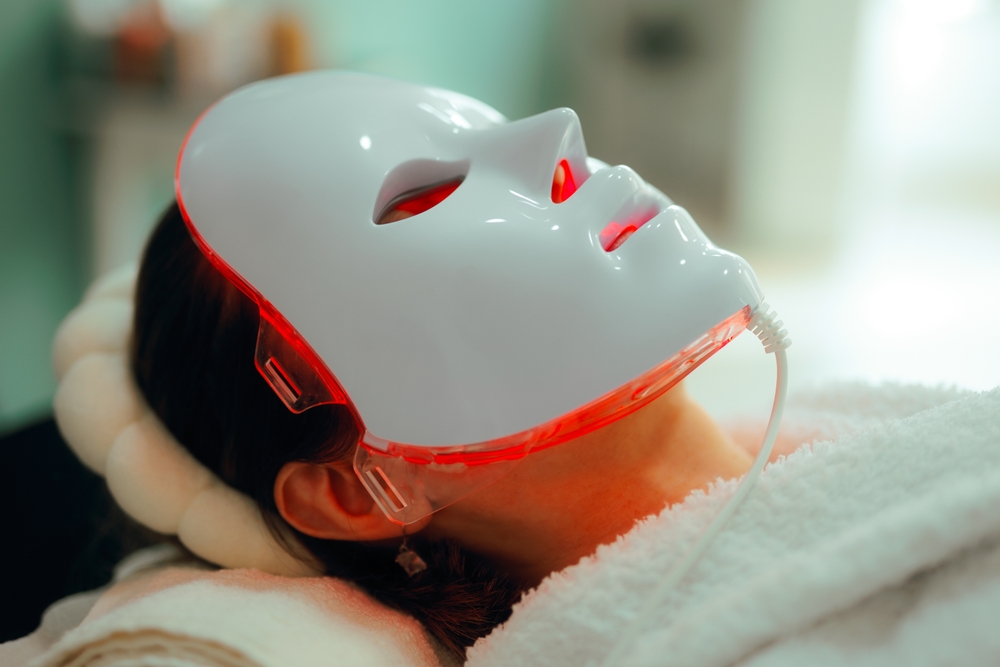
The best lazy hacks aren’t about adding more—they’re about removing friction from habits you already have. Think of it as setting yourself on autopilot toward better health, minus the “rise and grind” soundtrack.
The Effortless Energy Upgrade
You don’t need a hyperbaric chamber or green powder subscription to get more energy. You just need to work with your biology, not against it. Here’s how to boost focus and reduce burnout without leaving your desk chair (or couch).
- Light therapy lamps can replace your morning doomscroll with a mini sunrise.
- A 5-minute walk after meals helps regulate blood sugar more than you’d expect.
- Try “habit stacking”: drink water before coffee and stand up before opening Slack.
- Replace one afternoon caffeine hit with an electrolyte drink—it keeps energy steady without the crash.
Your mitochondria don’t care how “motivated” you are. They just want consistency—and maybe a little sunlight.
Sleep Like You Mean It (Without a $500 Mattress Topper)
Sleep is the ultimate biohack. It’s also the easiest one to screw up. You can skip fancy supplements and still massively improve your rest with almost no effort. The secret? Create “lazy sleep cues” that tell your body it’s time to power down.
- Set your bedroom lighting to warm tones after 8 p.m.—smart bulbs do the work for you.
- Keep your phone charging outside your bed’s reach (use a real alarm clock again).
- Try the “sleep playlist” trick—same chill track each night to condition your brain.
- Ditch the all-night binge and stop watching after one episode. The next one will still be there tomorrow.
You don’t need to “master” sleep. You just need to stop giving your body mixed signals about whether it’s bedtime or game time.
Hack Your Diet Without Tracking Macros
Meal prep? Too much effort. Counting calories? A fast track to burnout. Lazy biohacking is about nudges, not numbers. The goal is to eat smarter by default.
- Upgrade your breakfast to include protein and fiber—you’ll snack less later.
- Use smaller plates. You’ll eat less without noticing (thanks, visual psychology).
- Keep healthy snacks at arm’s reach; stash chips in a place that requires effort.
- Eat mindfully once a day—no phone, no TV, just vibes and actual taste buds.
Small swaps beat big diets every time because you’ll actually stick to them. Think of it as slow-burn optimization—like upgrading your OS one app at a time.
Mental Health, But Make It Lazy
You don’t have to meditate for 30 minutes in a Himalayan cave to clear your head. Mental biohacks work best when they blend into your day so seamlessly you forget you’re doing them.
- The “one-minute reset”: close your eyes, exhale twice as long as you inhale.
- Use your commute (or shower) as a mindfulness checkpoint, not a to-do list zone.
- Keep your phone in grayscale when you’re feeling overstimulated—it’s digital decaf.
- Text a friend something random. Connection is a mental multivitamin.
It’s not about eliminating stress; it’s about creating micro-pauses where your brain can catch its breath.
The Digital Detox for Realists
You can’t quit the internet—you live there. But you can biohack your digital environment to stop it from hijacking your dopamine.
- Move social apps off your home screen. The extra tap breaks impulse scrolling.
- Turn off non-human notifications (brands don’t need your attention).
- Use “focus modes” that auto-limit distractions during work or wind-down time.
- Schedule your mindless scrolling like a treat, not a trap.
The goal isn’t total abstinence. It’s controlled indulgence—like being your own digital bartender.
Why Lazy Biohacking Actually Works
Because it’s sustainable. You’re not flipping your life upside down or trying to mimic someone who sleeps four hours and calls it “optimization.” You’re quietly improving how you feel without exhausting yourself trying to get there.
Lazy biohacking thrives on momentum. Once you realize that tiny tweaks can have outsized results, you’ll start noticing new ways to improve your baseline without even trying. That’s when the real magic happens—when wellness becomes less of a project and more of a vibe.
When Doing Less Becomes Your Superpower
The truth is, you don’t have to live like a monk or a microchip to feel better. You just need to design your routines to make good choices easier than bad ones. Lazy biohacking isn’t about hacking biology—it’s about hacking your excuses.
If all you do is sleep better, hydrate more, and step into sunlight before your second coffee, you’ve already leveled up. Call it the low-effort revolution: less grind, more glow.