
You know that moment when you catch your reflection in your front-facing camera and think, “Wait, when did I start looking… tired?” Before you start Googling “Botox near me” like you’re applying for witness protection, take a deep breath—and maybe step away from that aggressively fluorescent bathroom mirror. Sometimes it’s aging, sometimes it’s dehydration, and sometimes… it’s just bad lighting doing you dirty.
Here’s how to tell whether you actually need Botox or just a new skincare routine (and some self-compassion).
The Fine Line Between Fine Lines and Filter Withdrawal
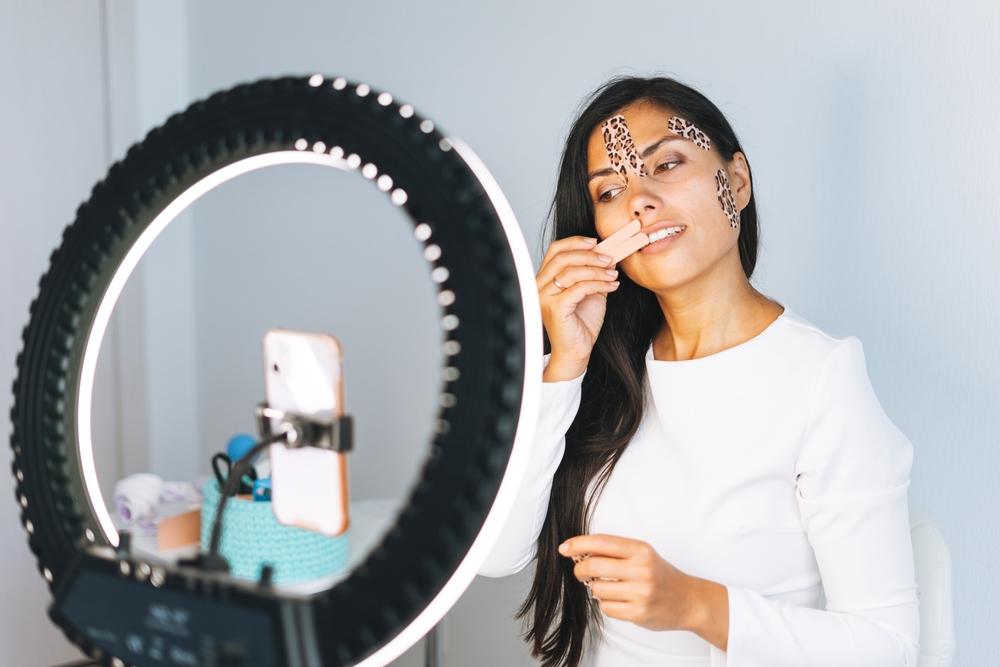
First, let’s talk lines. There are two types: dynamic (the ones that only show when you move your face) and static (the ones that stick around even when you’re resting). Botox works best on dynamic lines—think forehead creases, frown lines, or crow’s feet that show up when you laugh or raise an eyebrow in disbelief.
If your lines vanish the second you stop moving, congrats—you’re just expressive. You probably don’t need Botox yet. A solid skincare routine with SPF, a good retinol, and enough hydration to float a small raft might be all you need.
But if those lines are hanging around 24/7 like an unpaid intern—constantly visible, no matter what—Botox could help soften them before they deepen. It’s not about freezing your face; it’s about hitting “pause” before those little motion lines become permanent fixtures.
Lighting Lies: Don’t Trust the Bathroom
Lighting is a scam artist. Fluorescents emphasize shadows, overhead bulbs create unflattering contrast, and that one mirror at your gym locker room is basically an emotional assault. Try checking your reflection in natural light, aka the great equalizer of self-esteem.
If your so-called “wrinkles” fade when you step outside or take a selfie by a window, you’re not aging overnight—you’re just being gaslit by your light fixtures. Maybe what you really need isn’t Botox… it’s an LED vanity mirror and therapy for your bathroom’s emotional abuse.
The Mental Math of “Ready”
Here’s the real secret: being “ready” for Botox isn’t just about age—it’s about attitude.
What To Ask Yourself
- Are you constantly analyzing your face on camera?
- Do you zoom in on selfies like a forensic scientist?
- Have you compared yourself to your 2018 Instagram photos more than twice this week?
If yes, it might not be your skin that needs intervention—it might be your self-image. Botox can enhance confidence, but it’s not designed to fix self-esteem. The best candidates aren’t people who hate their faces; they’re people who like their faces and want to preserve what they love. If you’re trying to erase your expression out of anxiety or insecurity, maybe take a step back and reassess what you’re really hoping to fix.
Preventative vs. Reactive Botox
There’s a difference between playing defense and damage control. Preventative Botox is like pre-gaming for your thirties—small doses in high-movement areas to slow down wrinkle formation. Most dermatologists suggest starting in your late 20s or early 30s if you’re noticing faint lines that stick around after your face relaxes.
Reactive Botox, on the other hand, is for when those lines have already RSVP’d to your permanent expression. If you’ve tried skincare, hydration, and healthy habits but your forehead still looks like it’s in constant negotiation with your eyebrows, Botox might be the right next step.
The “Am I Just Tired?” Test
Before you go all-in on injectables, there's a simple test you can try.
- Hydrate: Drink a full bottle of water.
- Sleep: Get one good night’s rest (for real this time, no doomscrolling).
- Moisturize: Use a hydrating serum or sheet mask.
- Observe: Check your face in daylight, not under overhead lighting.
If you suddenly look fresher and more alive, you’re not “aging rapidly”—you’re just overworked and under-rested (welcome to adulthood). Botox can’t fix burnout, dehydration, or bad lighting. But a week of sleep, greens, and SPF can do wonders.
The Social Media Trap
Let’s address the algorithm in the room. TikTok and Instagram are crawling with 24-year-olds showing off their “preventative Botox journeys.” It’s easy to feel like you’re behind if your forehead still moves. But remember: filters have trained us to see real faces as “flawed.” Your lines are normal; they’re proof you’ve laughed, stressed, and lived. You don’t owe anyone a frozen expression just to keep up with digital perfection.
The Red Flag Test
If you’re considering Botox because your ex’s new partner looks “suspiciously smooth,” or because you saw an influencer with the facial mobility of a porcelain doll, pause. Cosmetic treatments are personal—not reactionary. Ask yourself: Am I doing this for me, or to compete with someone else’s version of beauty?
If it’s the latter, that’s your cue to wait. Botox works best when it’s rooted in self-confidence, not comparison.
What “Ready” Really Feels Like
Signs You're Actually Ready
- You’re not panicking—just curious.
- You’ve researched reputable injectors, not just the cheapest Groupon deal.
- You want to look refreshed, not frozen.
- You’re okay with upkeep (every 3–4 months).
If you meet those criteria, go for it! Just remember: subtlety is the name of the game. The best Botox doesn’t announce itself—it whispers. People shouldn’t ask, “What did you do?” They should ask, “Why do you look so well-rested?”
Grace Over Gravity
At the end of the day, deciding to get Botox isn’t about chasing youth—it’s about agency. It’s your face, your choice, your vibe. Whether you choose injectables or just invest in better lighting, do it because it makes you feel good, not because social media says you should.
After all, sometimes you don’t need Botox. You just need a nap, a ring light, and the reminder that looking human is still hot.