
What if your phone could help you chill out instead of stress you out? Between doomscrolling and never-ending notifications, it’s easy to feel like tech is the villain of modern peace of mind. But in an unexpected twist, people are now turning to that same technology to quiet their brains, balance their moods, and even retrain their nervous systems. Welcome to the new frontier of calm: digital self-optimization.
The Rise of Mind-Tuning Tech
Meditation apps were just the beginning. Now, a wave of neurotech gadgets promises to help users literally change their brainwaves. Instead of lighting incense and hoping for inner peace, people are slipping on headbands that measure EEG signals, wearing devices that stimulate the vagus nerve, and using apps that train them to shift into alpha brain states on demand. These tools aim to help the body unlearn anxiety patterns—and learn how to relax faster.
Popular examples?
- Headbands like Muse or Flowtime that track brainwave activity during meditation
- Wearables such as Apollo Neuro or Sensate that use gentle vibrations or sound frequencies to activate calm responses
- VR and AR experiences that combine visual immersion with breath guidance for stress reduction
- Brain-training apps that offer neurofeedback, rewarding users for maintaining calm focus
The concept behind them all is simple: with enough data and repetition, you can teach your brain to chill like it’s learning a new skill.
Biofeedback, But Make It Fashionable
The idea of using feedback loops to control stress isn’t new—it’s been around since the 1960s. What’s changed is accessibility. You no longer need to visit a lab filled with electrodes and monitors. Modern wearables look like minimalist jewelry or sleek sleep masks. They collect biometric data—heart rate variability, skin temperature, micro-movements—and feed it back through your phone in real time. Your body literally tells you when it’s stressed and when it’s entering a more relaxed rhythm.
Users can gamify the process, treating relaxation like a high-score chase. Instead of doomscrolling TikTok, they’re watching their brainwave charts level up. It’s mindfulness with metrics, self-care with analytics. For a generation raised on progress bars, this makes inner peace measurable—and addictive.
The Science of Alpha Waves
Alpha waves are the brain’s signature of calm alertness, often linked to creativity and flow. They typically occur when you’re relaxed but still mentally engaged—like during daydreaming, drawing, or that peaceful “just before sleep” state. Many neurofeedback devices train users to increase alpha activity, helping them shift away from high-frequency beta waves associated with anxiety and overthinking.
In simple terms?
When beta dominates, your brain’s in hustle mode.
When alpha takes over, you’re in harmony mode.
People who practice alpha-wave training report feeling more focused, emotionally steady, and less reactive to stress triggers. It’s not instant enlightenment, but it’s a practical way to teach your nervous system to stop panicking about every Slack ping.
Does It Actually Work?
The research is promising—but not perfect. Some studies show measurable drops in cortisol and increases in alpha activity after consistent neurofeedback training. Others suggest the effects may partly come from placebo and expectation. Still, many users swear by the results, claiming better sleep, improved concentration, and a general sense of “mental spaciousness.”
Like most wellness tech, it’s less about replacing traditional methods and more about upgrading them. Meditation, breathwork, and exercise still form the foundation. The gadgets just add data, accountability, and a dopamine hit of progress.
The DIY Mind-Hacking Movement
Beyond commercial devices, a growing online community is experimenting with DIY neurostimulation, brain-entrainment playlists, and open-source biofeedback software. Forums and Discord channels are full of users comparing EEG readouts and swapping tips on optimizing frequency ranges. It’s like bodybuilding for the brain—except instead of protein shakes, they’re syncing to binaural beats.
Some popular trends?
- Using light and sound entrainment apps to guide the brain into specific wave states
- Combining wearables with cold exposure or breath-holding to amplify calm responses
- Tracking mental states with smartwatch data to identify anxiety triggers
- Creating “digital detox routines” that replace social media time with neurofeedback sessions
The mix of science, self-experimenting, and meme culture makes it oddly appealing to tech-savvy millennials who want to improve their mental health without the cliché of “put your phone down.”
The Ethical Brainstorm
Of course, there’s a darker side to all this brain hacking. The same tech that helps you relax could also collect intimate biometric data. EEG patterns, heart rhythms, and mood indicators are incredibly personal. As more companies jump into the mental-wellness tech market, privacy concerns grow louder. Who owns your calm? And what happens when wellness metrics get gamified for profit?
Experts urge users to choose devices that store data locally or allow you to opt out of cloud sharing. The rule of thumb: if it’s tracking your mind, treat it like your medical data.
The Quiet Revolution in Mental Health
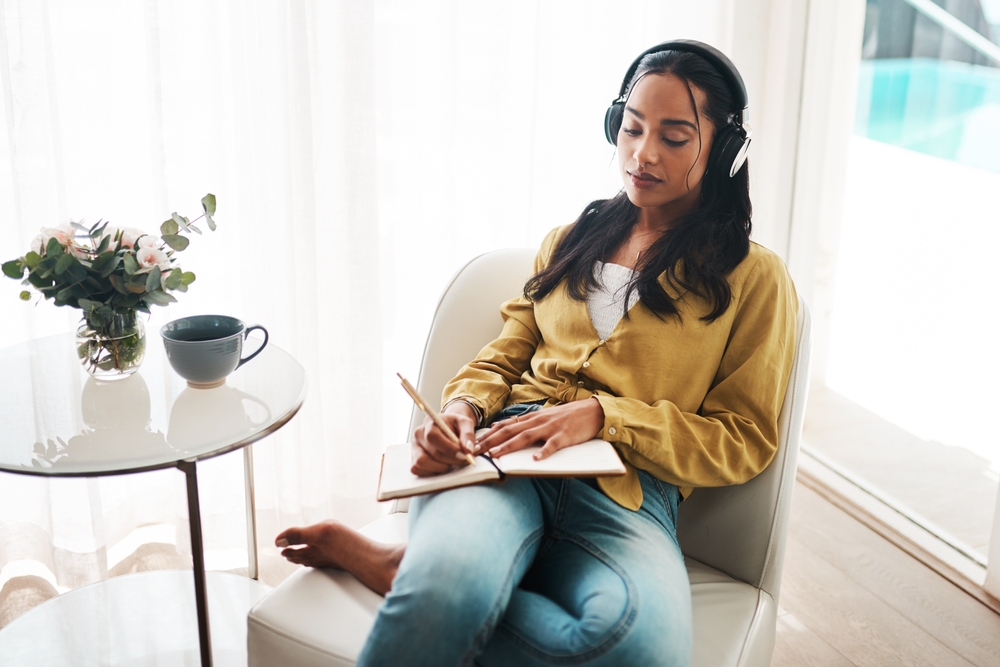
Whether you’re wearing a neuro-headband, pulsing your vagus nerve, or just listening to alpha wave playlists while journaling, the bigger story is this: people are reclaiming their relationship with technology. Instead of being ruled by the dopamine loops of social media, they’re reprogramming those same tools to heal the damage. It’s not about deleting tech from your life—it’s about teaching it to serve your brain instead of hijacking it.
When the Future Feels Calm
Maybe the ultimate flex isn’t productivity—it’s peace. The next frontier of digital culture isn’t faster apps or smarter devices; it’s tech that helps us slow down. From anxiety to alpha waves, the evolution of self-care is becoming data-driven, beautifully weird, and, finally, a little more human.