
When was the last time you did something inefficient on purpose—like wandering aimlessly without a step goal or writing a note by hand instead of typing? Optimization culture has turned self-improvement into a full-time job, gamifying everything from sleep to productivity. We track, measure, and hack our habits in pursuit of “better,” but somewhere along the way, we might be forgetting what “human” even feels like.
The Cult of Constant Optimization
Everywhere you look, something’s promising to make you 10% more efficient. Fitness trackers tell you when to move, smart fridges track your groceries, and AI-generated morning routines whisper that you could be doing more—if only you tried harder. Optimization has become a religion, with apps as our digital clergy.
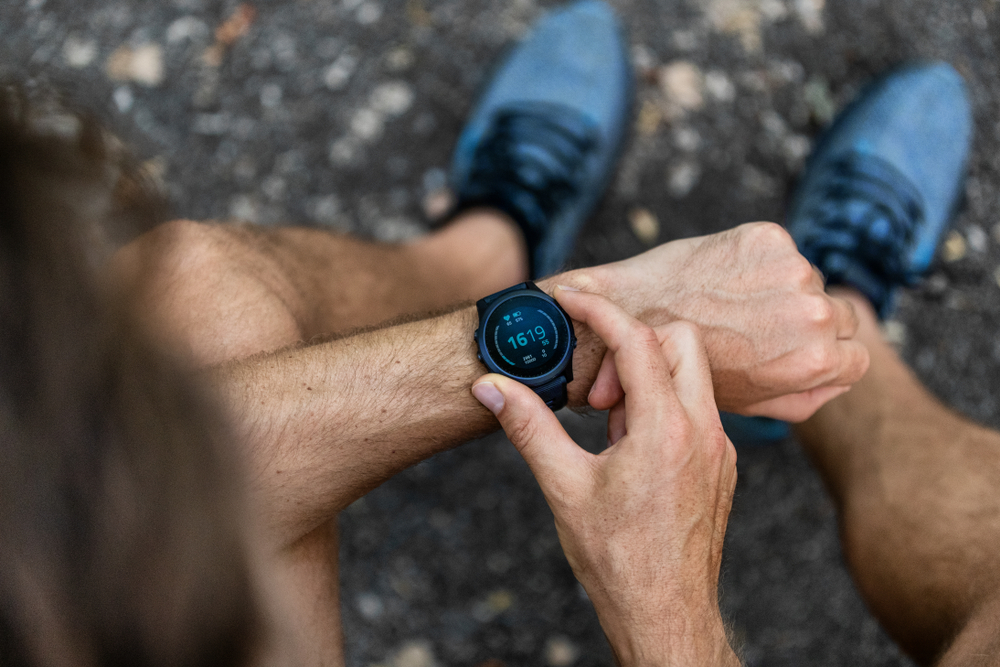
What used to be about living better has turned into performing better. The irony? The more we optimize, the more we risk losing the messy, unquantifiable parts that make life rich—spontaneity, intuition, imperfection.
- The sleep app tells you that you only got 72% “recovery,” so you wake up already feeling behind.
- The productivity tracker pings you for “focus,” even though your brain just needs to daydream.
- The calorie counter rewards you for saying no to dessert, but forgets that joy doesn’t fit neatly in a macro count.
We’re outsourcing self-awareness to data and letting algorithms define our limits. Somewhere between “optimize your morning” and “biohack your brain,” the line between self-improvement and self-erasure started to blur.
When Self-Tracking Becomes Self-Policing
Quantified living sounds empowering—until it isn’t. A smartwatch can tell you how fast your heart beats, but not why it skips when you’re anxious. Data can motivate, but it can also guilt-trip. What started as curiosity often morphs into control.
Optimization is seductive because it gives the illusion of mastery. If you can measure it, you can fix it. But life doesn’t always want to be fixed—it wants to be felt. The human experience isn’t a dashboard; it’s a mix of good chaos and inconvenient emotion.
- The constant measurement of progress can fuel burnout rather than prevent it.
- Metrics that were supposed to guide self-care often create anxiety about “not doing enough.”
- Even relaxation has become something to optimize—“Did I meditate long enough? Did I breathe correctly?”
We’ve gamified rest, efficiency, and even happiness, turning personal growth into an endless leaderboard we can never quite top.
The Algorithmic Self: Curated, Controlled, and a Little Bit Lost
There’s another layer to this story: algorithms don’t just track us—they shape us. Our feeds serve content that reinforces who we’re supposed to be, not who we actually are. You like one productivity video, and suddenly you’re knee-deep in hustle culture tutorials. The system doesn’t reward curiosity; it rewards consistency.
We’re being trained to optimize not just our routines but our personalities—posting highlight reels instead of reality, branding ourselves like products. When your “personal brand” becomes the version of you that gets the most engagement, authenticity becomes a casualty of performance.
- Social media algorithms reward routine behavior and discourage deviation.
- “Personal growth” trends often end up homogenizing individuality.
- The pursuit of digital perfection blurs the line between self-expression and self-promotion.
We’ve built a world where efficiency is confused with purpose and where slowing down feels like rebellion. The scariest part? We’re optimizing away the very flaws that make connection, creativity, and empathy possible.
Reclaiming the Unoptimized Life
The antidote isn’t to reject technology—it’s to reintroduce intentional chaos. To remember that being human isn’t about productivity; it’s about presence. True growth doesn’t always show up in analytics. Sometimes it looks like doing nothing measurable at all.
Try this experiment: for one day, don’t track anything. No steps, no calories, no productivity app. Let the day unfold without metrics. It might feel strange—liberating, even. You’ll realize how much of your behavior is shaped by invisible nudges telling you to “do better.”
Being unoptimized doesn’t mean being lazy. It means reclaiming your right to exist outside of performance metrics. It’s about rediscovering play, uncertainty, and inefficiency—not as weaknesses, but as vital signs of being alive.
- Take a walk without a destination or playlist.
- Create something purely for fun, not content.
- Let your phone die and see what your brain does when it’s bored.
- Say no to “productivity hacks” that turn your day into a self-imposed audit.
There’s beauty in the gaps between our systems—moments of stillness that no app can replicate.
Humanity Isn’t a Feature to Optimize
We’ve spent so much time designing better systems that we’ve forgotten how to just be. The race to streamline everything has made us busier, not freer. The more we automate, the more essential it becomes to protect the parts that can’t be automated: creativity, empathy, humor, love.
Optimization promises progress, but progress without humanity is just acceleration. Maybe the next frontier isn’t improving our performance—it’s remembering our limits. After all, imperfection isn’t a bug in the system. It’s the whole point of being human.