
Could the cost and complexity of dental implants be causing you to put off treatment longer than you planned? For many people, replacing a missing tooth feels less like a simple dental procedure and more like a major financial and personal decision. While traditional treatment pathways receive most of the attention, dental implant clinical trials have emerged as another option worth understanding for those exploring ways to restore their smile.
Why People Delay Dental Implant Treatment
Few people lose a tooth and immediately schedule implant surgery. More often, the process unfolds gradually. What begins as a recommendation during a dental visit can turn into months or even years of weighing costs, comparing options, and deciding whether now is truly the right time.
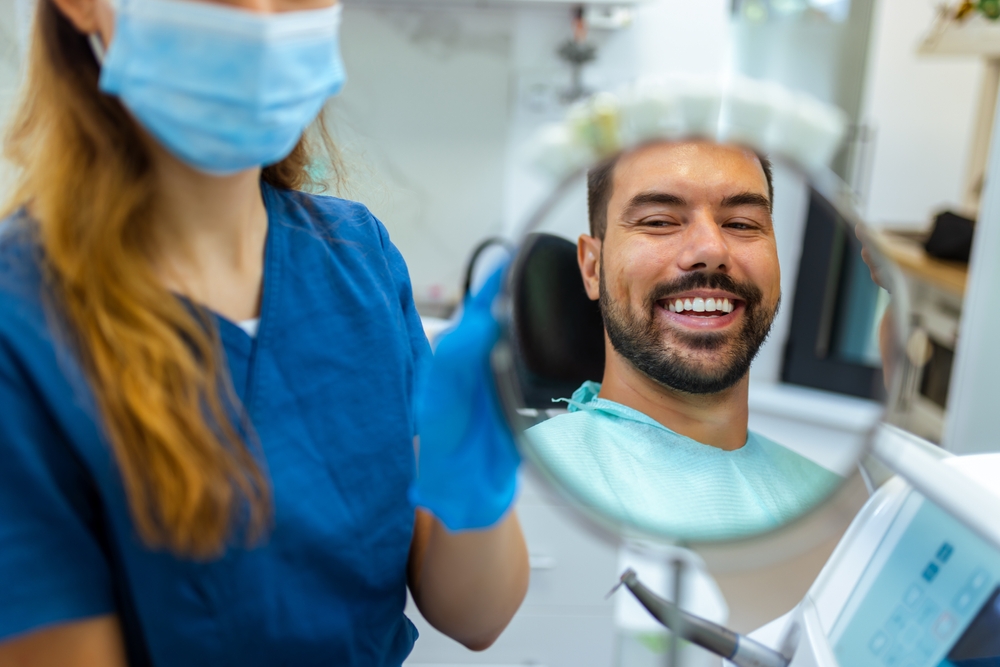
The hesitation is understandable. Dental implants are often viewed as a premium solution because they involve multiple stages, specialized expertise, imaging, surgical procedures, and custom restorations. Even when someone believes an implant is the right choice, practical concerns can make moving forward difficult.
As a result, many people spend considerable time looking for alternatives, financing options, or ways to make treatment more manageable. This is often where awareness of clinical trials begins.
Looking Beyond Traditional Treatment Paths
Most conversations about dental implants focus on selecting a provider, comparing treatment plans, or evaluating different restoration options. Clinical trials are rarely part of the initial discussion.
Yet dental research centers and study sponsors regularly conduct trials designed to evaluate new implant systems, materials, placement techniques, and treatment approaches. These studies depend on participant involvement to help determine how well emerging technologies perform in real-world settings.
For someone who already needs an implant, a clinical trial may represent more than a research opportunity. It can become another avenue worth exploring alongside conventional treatment.
Reasons Clinical Trials Capture Attention
- Potential access to implant treatment at a reduced cost
- Opportunities to receive care using emerging technologies
- Additional monitoring throughout treatment and recovery
- Access to specialized research and clinical teams
- Participation in advancing future dental care
The Financial Reality Behind The Decision
Cost is often the factor that keeps dental implant treatment on the "someday" list. Even when the long-term benefits appear compelling, the upfront expense can feel difficult to justify within an already crowded household budget.
People frequently compare implants with bridges, removable appliances, or delaying treatment altogether. While each option has its place, the financial conversation often becomes more complicated when long-term maintenance, replacement needs, and durability enter the picture.
Clinical trials attract interest because they may help reduce certain treatment-related costs depending on the study design. The exact level of financial assistance varies, but the possibility of lowering expenses naturally draws attention from people who may have otherwise postponed treatment indefinitely.
What Participation Typically Involves
Joining a clinical trial is not the same as scheduling a routine dental procedure. Research studies follow structured protocols that define who qualifies, what treatment is provided, how outcomes are measured, and how participants are monitored.
That structure creates responsibilities as well as opportunities. Participants may attend additional appointments, complete evaluations, undergo imaging, and participate in long-term follow-up visits that help researchers collect meaningful data.
The additional oversight often surprises people. While research requirements create added commitments, they can also provide a level of observation that some participants find reassuring throughout the treatment process.
Elements Often Included In Study Participation
- Initial eligibility screening
- Comprehensive oral examinations
- Diagnostic imaging
- Scheduled follow-up appointments
- Long-term outcome assessments
New Technology Often Starts Here
Many of the advances that eventually become standard in dentistry first pass through clinical trial environments. Improved implant surfaces, enhanced imaging techniques, digital planning tools, and evolving restorative materials all require evaluation before broader adoption.
Researchers are constantly exploring ways to improve treatment outcomes, shorten recovery periods, increase implant stability, and expand treatment possibilities for more patients.
For participants, this creates an opportunity to engage with innovations at an earlier stage. While no study guarantees superior outcomes, clinical trials often provide a window into where implant dentistry is heading next.
Determining Whether A Trial Is A Good Fit
Not every clinical trial is appropriate for every patient. Studies are designed around specific objectives, which means eligibility requirements can be highly selective.
Factors such as overall health, bone quality, age, dental history, and the number of missing teeth may influence qualification. Some studies focus on single-tooth replacement, while others investigate more complex restorative situations.
Evaluating a trial requires looking beyond potential cost savings. Understanding study expectations, treatment timelines, follow-up commitments, and available support is equally important when deciding whether participation aligns with personal goals.
Questions Worth Exploring
- What treatment costs are covered by the study?
- How long does participation last?
- What follow-up visits are required?
- What technology or treatment is being evaluated?
- What happens after the study concludes?
The Value Of Long-Term Monitoring
One aspect of clinical trials that often receives less attention is the extensive follow-up process. Researchers need to understand how implants perform not only after placement but also over extended periods.
These ongoing evaluations allow researchers to assess stability, functionality, healing, and patient satisfaction. For participants, regular monitoring can provide additional insight into treatment progress and implant performance.
This long-term perspective is one reason clinical trial data remains so valuable within dentistry. It helps shape future treatment standards while providing participants with a detailed understanding of their own outcomes.
Finding Another Path Toward Restoration
For people who need dental implants but feel held back by cost, timing, or uncertainty, clinical trials can represent an option that was never previously considered. They are not the right solution for everyone, nor are they a replacement for traditional treatment pathways. However, they occupy an increasingly important space between innovation and patient care. As more individuals explore ways to restore missing teeth, clinical trials continue to offer another route worth evaluating on the journey toward a healthier, more confident smile.