
Remember when everyone said, “Just move to the suburbs—it’s cheaper”? Yeah, about that. The suburbs, once the ultimate money-saving escape hatch from big-city rent, are starting to look suspiciously like their urban counterparts: pricier, busier, and full of SUVs fighting for Trader Joe’s parking spots. Rent in many suburban areas has jumped double digits since 2020, and in some cases, it’s now outpacing nearby city centers. But don’t pack your IKEA dresser into a U-Haul just yet—there are still corners of America where rent won’t make your Venmo balance sob.
The Suburban Price Squeeze
Here’s what happened: after the pandemic turned offices into optional suggestions, millions of renters realized they could swap cramped apartments for more space, a backyard, and slightly better air quality. The suburbs became the new “it” destination—and landlords noticed. As a result, suburban rents across the U.S. are now up roughly 25% since 2019, according to Zillow, while city rents rose about 19%.
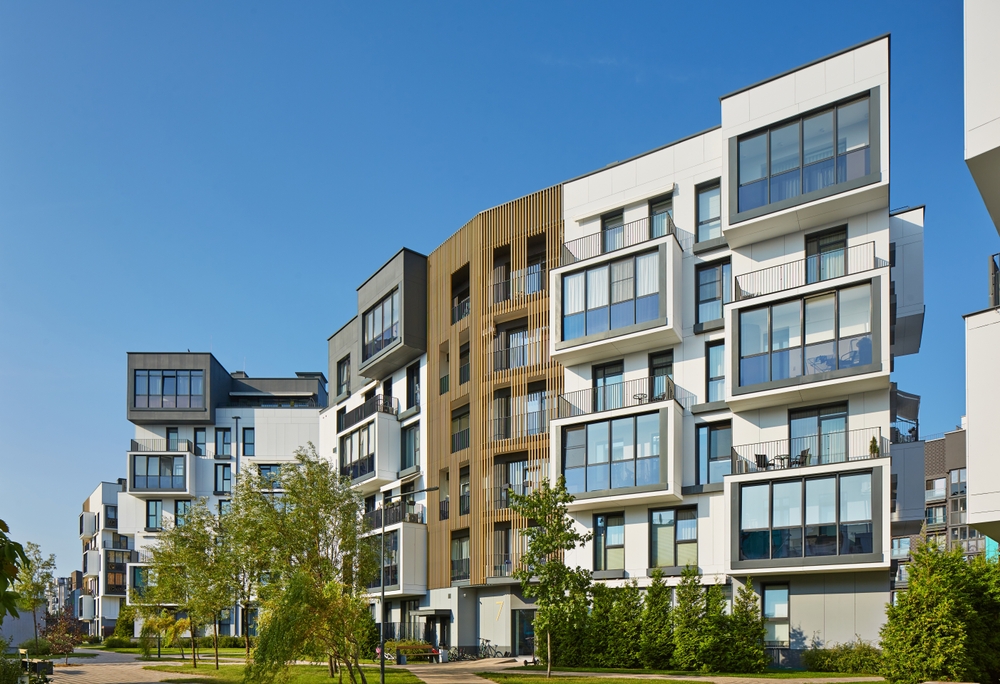
That means the “affordable” two-bedroom you thought existed in the burbs now costs as much as a downtown studio with “industrial charm” (read: one window and a questionable smell). And since many remote workers still haven’t returned to full-time office life, the demand hasn’t cooled off much. Suburbs near thriving metros—think Austin, Denver, and Seattle—have turned into mini-economies of their own, complete with $18 brunch omelets and yoga studios with waitlists.
Why Suburbs Are Getting Expensive
The rent creep isn’t just about demand—it’s about development. Builders have been focusing on luxury apartments and “live-work-play” complexes designed for upwardly mobile millennials, not budget-conscious renters. Translation: you’re paying for the Peloton lounge whether you use it or not. And because property taxes and insurance costs have skyrocketed, even mom-and-pop landlords are hiking prices just to break even.
But here’s the good news: there are still deals hiding in plain sight—you just have to know where (and how) to look.
Where the Real Deals Still Exist
1. The Midwest’s Underrated Suburbs
If you’re chasing affordability without sacrificing cool-factor, the Midwest is basically the last bastion of sanity. Suburbs like Cleveland Heights, OH, Maplewood, MO (outside St. Louis), and Ferndale, MI near Detroit are perfect examples. They’ve got walkable main streets, local breweries, and coffee shops that actually know what “single origin” means—all for under $1,200 a month for a one-bedroom. These are the “Brooklyn vibes on a Target budget” spots that quietly attract artists, freelancers, and remote workers who figured out that culture doesn’t have to come with a coastal zip code.
2. The South’s Sneaky Affordable Zones
The South’s big metros—Austin, Nashville, and Atlanta—blew up fast, but not every neighboring area followed suit. Chattanooga, TN, Greenville, SC, and Pensacola, FL are still hanging onto that small-city affordability while offering surprisingly good job markets and strong Wi-Fi. Rents under $1,300 are still common, and the local food scenes have leveled up—less chain restaurants, more craft coffee and farmers markets. Bonus: no six-month waitlist to see a dentist.
3. The “Second-Ring” Suburbs
Here’s a smart move: skip the first-ring suburbs—the ones closest to major cities that everyone flocked to post-pandemic—and aim for the second-ring. Think Palatine, IL instead of Evanston near Chicago, or Round Rock, TX instead of Austin proper. These towns might add 15 minutes to your commute, but you’ll save anywhere from $400–$800 a month on rent. Plus, second-ring suburbs often have the same conveniences (shopping, good schools, parks) without the inflated “proximity to coolness” tax.
4. The Comeback Kids: Post-Industrial Towns
Cities like Pittsburgh, PA, Buffalo, NY, and Rochester, NY have quietly transformed over the past decade. Once written off as “Rust Belt relics,” they’ve become magnets for creatives, remote professionals, and anyone tired of paying $3,000 for 700 square feet. Their surrounding suburbs—like Mt. Lebanon, PA or Williamsville, NY—offer calm neighborhoods, good schools, and access to rejuvenated downtowns filled with breweries, art collectives, and coworking spaces that smell faintly of ambition and LaCroix.
5. The Forgotten West
Not all of the West is pricey. While California’s rent prices remain sky-high, places like Boise, ID, Spokane, WA, and Reno, NV (and their nearby suburbs) are still relatively affordable compared to their coastal cousins. They’re attracting digital nomads, young families, and ex-city dwellers who still want access to hiking trails and third-wave coffee—but without the $4,000 rent tag.
How to Actually Find These Deals
The secret to catching affordable suburban rent before it skyrockets? Think like an algorithm, but with taste.
- Don’t rely only on the big rental apps. Zillow and Apartments.com tend to get the same listings over and over. Check local Facebook groups, Craigslist (yes, still), and Reddit housing threads.
- Search for new developments with move-in specials. Developers often offer discounted first-month rent or free parking to fill units fast.
- Be flexible with timing. Winter months (November–February) are a renter’s market. Fewer people move then, and landlords are more willing to negotiate.
- Talk to small landlords directly. They often prefer long-term tenants over maximum profit. A respectful conversation can sometimes shave $100 off your rent—or at least score you free utilities.
- Expand your map. Zoom out. Ten extra miles might mean hundreds in monthly savings.
The suburbs aren’t the budget-friendly utopias they once were, but that doesn’t mean your only option is a downtown shoebox with “quirky charm.” Affordable suburban pockets still exist—you just have to think strategically, stay flexible, and maybe learn to appreciate slightly longer commutes.
Because in today’s housing market, the real status symbol isn’t granite countertops or rooftop fire pits—it’s a rent payment that doesn’t require a side hustle to survive.